Fence Cost Factors in Eugene, Oregon
Quick Answer: Fence installation cost in Eugene depends on several factors including fence material, height, linear footage, terrain, gate placement, and whether an existing fence needs to be removed first.
Fence Cost Factors in Eugene, Oregon
Quick Answer: Fence installation cost in Eugene depends on several factors including fence material, height, linear footage, terrain, gate placement, and whether an existing fence needs to be removed first.
Fence installation cost in Eugene depends on a combination of materials, labor, site conditions, and project scope. Two properties can be similar in size but price out very differently depending on terrain, soil conditions, the type of fence chosen, and how much work is involved before the first post ever goes in. Understanding these variables early helps homeowners plan a project that fits both their property and their budget.
Fence Material
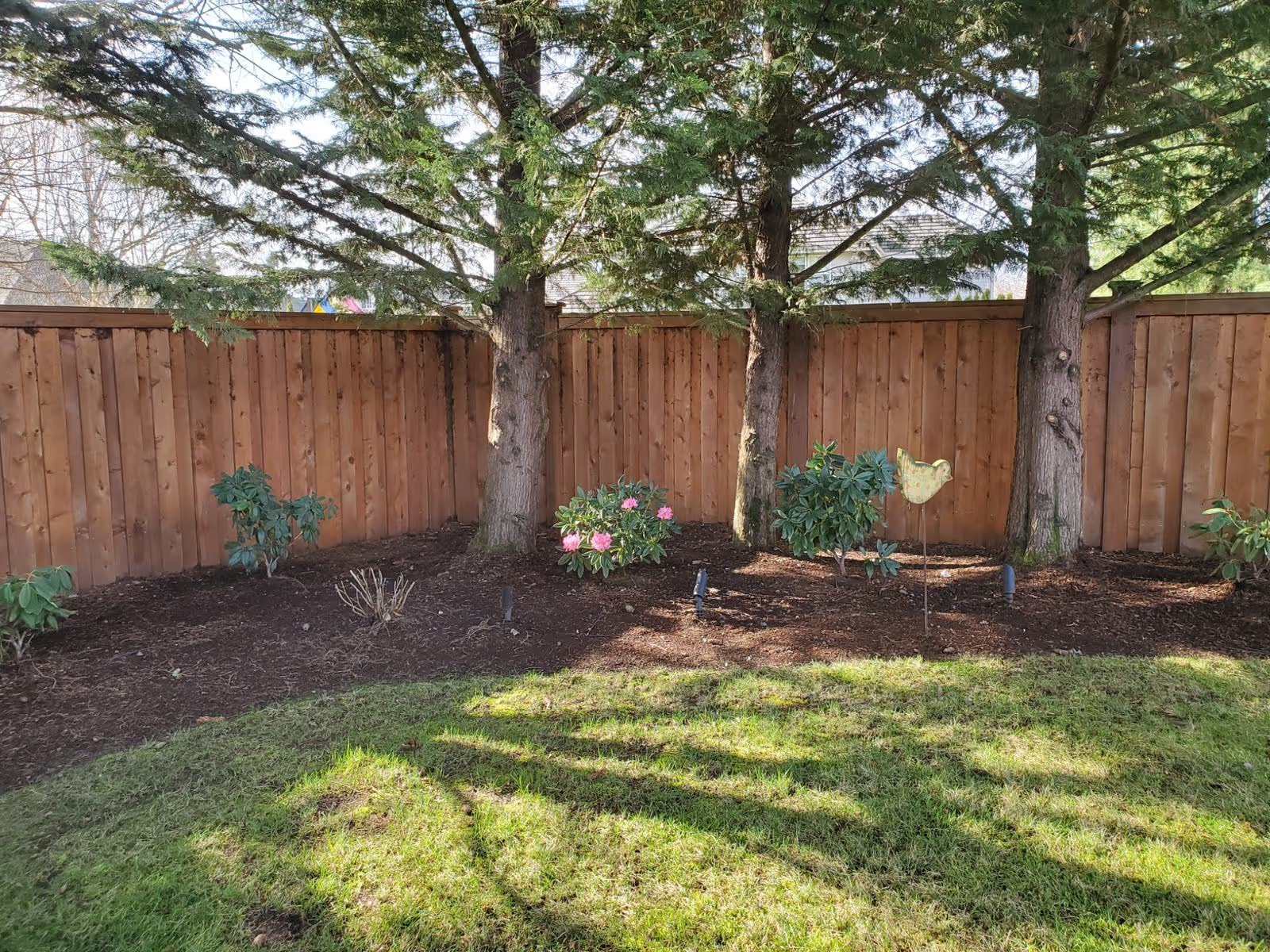
Material choice is the single biggest factor in fence pricing. Cedar is the most common choice in the Pacific Northwest because it handles moisture well, has a natural appearance, and is widely available in the region. It typically has a lower upfront cost than many alternatives, though it does require ongoing maintenance including staining or sealing to extend its lifespan in Oregon's wet climate.
Metal fencing costs more upfront but requires very little maintenance over time. It holds up well in moisture, does not rot, and keeps its appearance without the regular upkeep that wood demands. For homeowners who want a clean look with minimal long-term maintenance, metal can offer strong value even at a higher initial price.
Composite fencing combines wood fiber and plastic to create a material that resists rot and decay while maintaining a natural look. It tends to fall between cedar and metal in cost and offers a middle-ground option for homeowners weighing appearance against maintenance.
Fence Height
Fence height directly affects both material and labor costs. A standard 6-foot privacy fence requires more material per linear foot than a 4-foot picket fence, and taller fences often require larger or deeper posts to maintain structural integrity. In Eugene, 6-foot cedar privacy fences are the most common residential choice, especially for backyard projects where privacy from neighbors is a priority.
Linear Footage and Layout
The total length of fence being installed is one of the clearest cost drivers. Longer fence runs require more posts, more materials, and more labor hours. Layout also matters — a straightforward rectangular yard is generally more efficient to fence than a property with multiple angles, slopes, or irregular boundaries that require custom cuts and additional planning.
Terrain and Soil Conditions
Eugene's varied terrain can have a significant impact on fence installation cost. Flat, accessible yards with consistent soil allow posts to be set efficiently. Properties with slopes, rocky soil, tree roots, or drainage concerns require more time and care to install posts correctly and maintain consistent fence height across uneven ground.
In some cases, sloped properties require a stepped fence design rather than a racked fence, which affects both the appearance and the labor involved. Homeowners with hillside yards or properties near wetland areas should expect terrain to factor into their project quote.
Gates
Every gate adds both material and labor cost to a fence project. A basic single walk gate is a standard addition for most backyard fences, but wider double gates for vehicle or equipment access involve more hardware, heavier framing, and additional installation time. Gate placement also matters — gates on slopes or uneven ground require more precise installation to ensure smooth operation over time.
Demolition and Removal of Existing Fencing
If an older fence needs to be removed before the new one is installed, demolition becomes part of the project scope. Removing posts — especially older ones set in concrete — adds labor time and disposal requirements that factor into the overall cost. Homeowners replacing an existing fence should account for this as part of their planning.
Property Line Verification
Before installation begins, it is important to know where your property lines actually are. Installing a fence on a neighbor's property, even accidentally, can create legal and financial complications. In some cases, homeowners may need to have their property surveyed before work starts. This is especially relevant in established Eugene neighborhoods where older lots may have unclear or assumed boundaries.
Permits
Lane County and the City of Eugene have specific requirements for fence height and placement, particularly near streets, sidewalks, and property lines. Most residential fences under a certain height do not require a permit, but taller fences or fences in certain zones may. Checking local requirements before installation avoids costly corrections after the fact. Laguna Building Company is familiar with Eugene's local regulations and can help identify what is needed before work begins.
Getting an Accurate Fence Quote
The most accurate fence quote comes from walking the property, understanding the intended use of the fence, and looking at site conditions together. Online calculators can give a general ballpark, but they rarely account for terrain, soil, existing conditions, or access constraints that can affect real-world cost.
For Eugene homeowners, the best starting point is to define what the fence needs to do — privacy, pet containment, security, curb appeal, or all of the above — and then look at materials and layout options that fit both the property and the budget. A well-planned fence project avoids surprises and results in a finished product that lasts and performs the way it was intended to.